
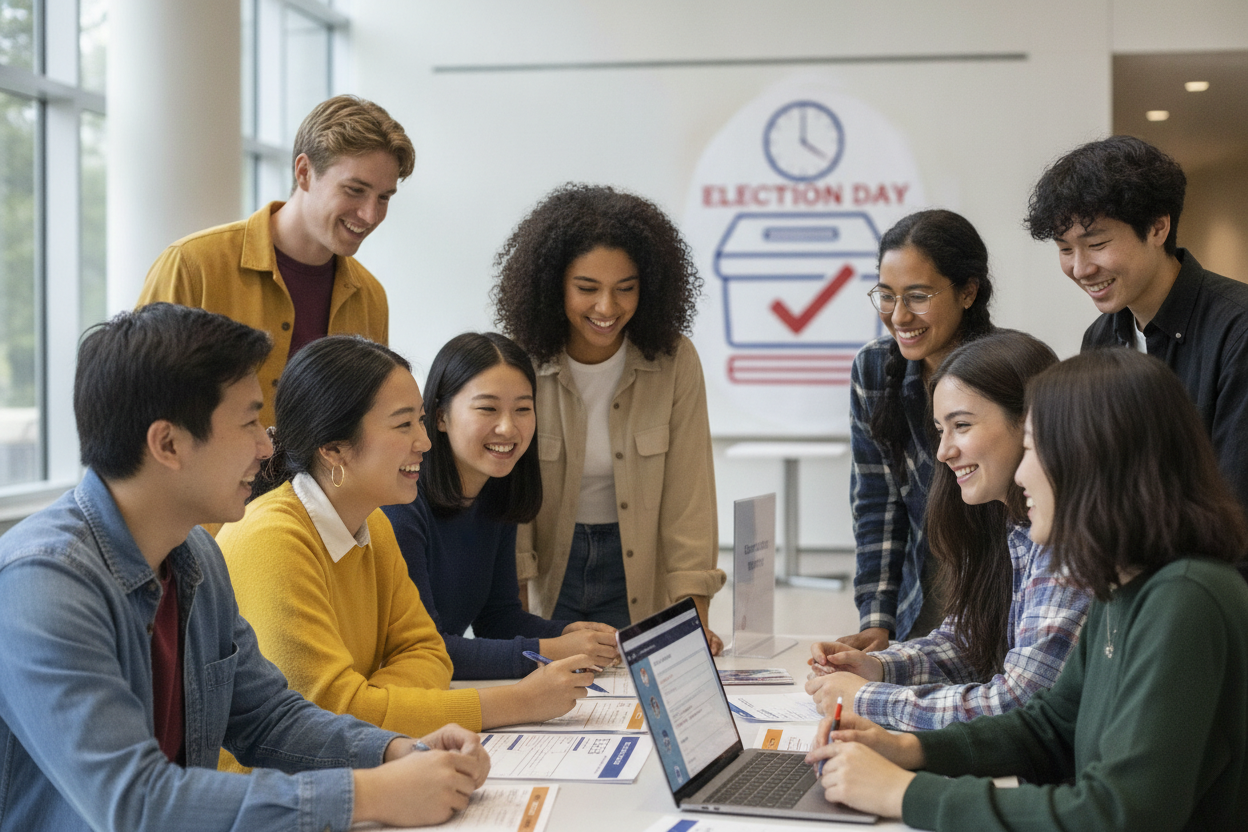
Voting is one of the most direct ways students can shape their communities, campuses, and future careers. Understanding the basics makes the process feel less intimidating and more accessible, especially for first-time voters. Before anything else, students should confirm their registration status, check their polling place, and note important deadlines in their state. Small details like an updated address or an expired ID can affect whether voting goes smoothly, so it pays to prepare early.
Students should also learn the differences between mail-in ballots, early voting, and in-person voting. Each option has its own timeline and requirements, and the best choice depends on schedule, transportation, and state rules. Reading official election websites is the most reliable way to verify what documents are needed and how to submit a ballot correctly. That habit builds confidence and reduces confusion when election season gets busy.
Another key part of voting education is understanding what is on the ballot. National races get a lot of attention, but local elections often affect housing, transit, education, and public safety in more immediate ways. Knowing how to research candidates and measures helps students make informed decisions rather than guessing at the last minute. Voting becomes more meaningful when it connects to issues that shape daily life.
For college students, voting is also about building a long-term habit of civic participation. The more familiar the process becomes, the easier it is to stay engaged after graduation. A well-prepared voter is not just checking a box; they are learning how democracy works and how their voice can matter in practical, measurable ways.
Leave a Reply